Profit In Every Drop: The Major Industries
In the second part of our investigation, Amphora Media looks at the companies and industries drawing the most free groundwater in Malta, from concrete plants and landscapers to hotels, water bowsers and wedding venues.
This is the second part of our investigation, Profit In Every Drop. Read part one here.
The Major Abstractors: Landscaping and Construction
“A lot of water is used in construction in the production of concrete and bricks. The greater part of this water comes from registered/ unregistered groundwater pumped from boreholes – not from town water,” engineer Cremona told Amphora Media. “This is putting additional pressure on Malta’s already-stressed groundwater system – when we should be reducing extraction, not increasing it.”
From the available data, three companies controlled by brothers Carmel (known as Charles, or Ċaqnu) and Paul Polidano are the largest identified commercial consumers of free groundwater from metered boreholes on their properties.
Data obtained by Amphora Media from ERA shows that Polidano Brothers Ltd, Monte Kristo Vineyards Ltd and Polmesh Ltd have extracted over 227.5 million litres of water in 2020-2024 from their metered boreholes.
GEB Landscaping, owned by V & C Contractors Limited, Ozo Group, Derek Garden Centre and Sicilville SRL in Italy, alone was the second-largest abstractor, with almost 106 million litres of groundwater across the dataset.
Our analysis shows that the landscaping company’s water footprint is highest in summer, 21% above the annual average in 2024. The address of the borehole is stated as simply “Attard”.
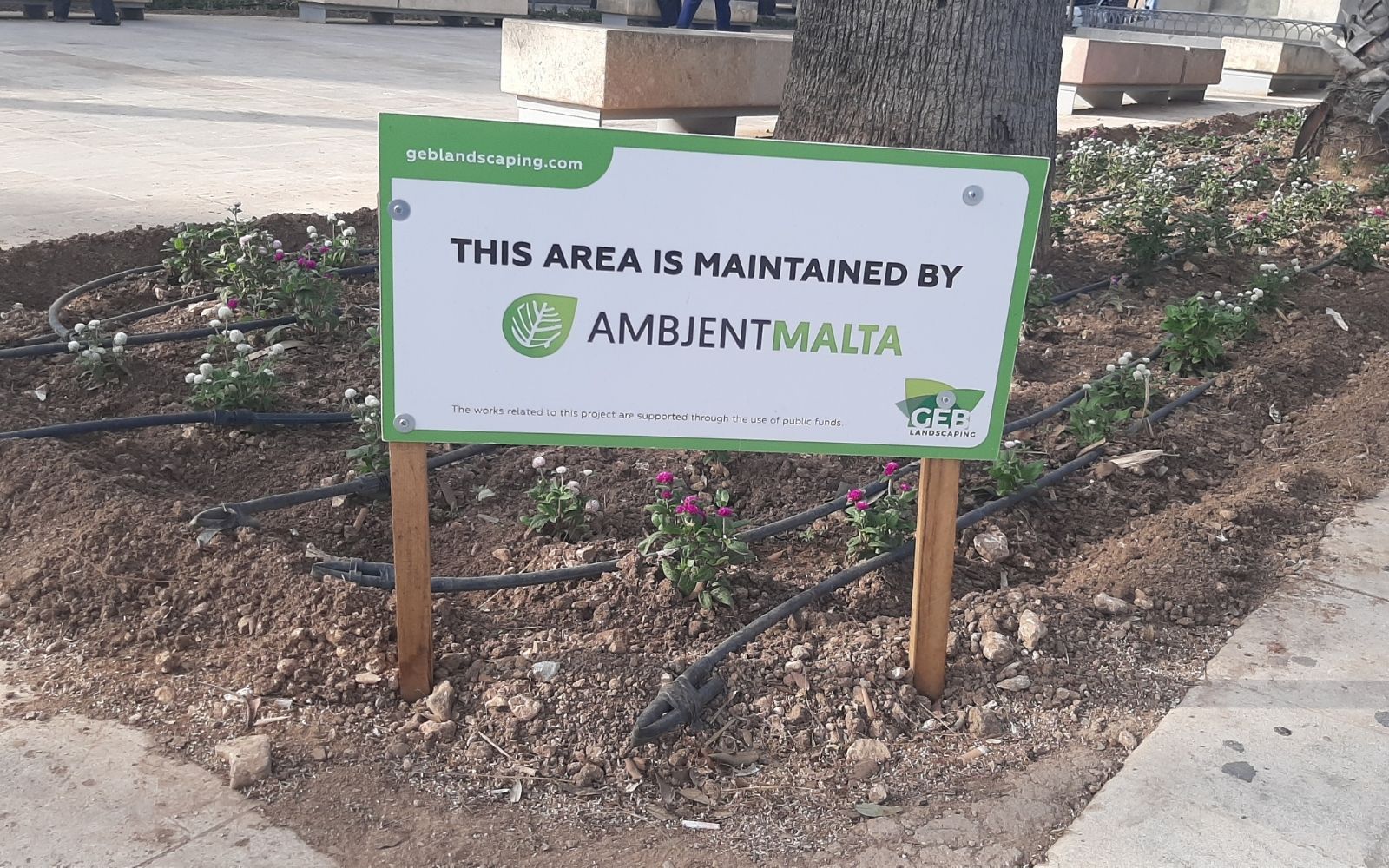
In 2025, GEB Landscaping lost, due to jurisdictional and procedural grounds, its legal challenge against a €11,461.31 fine imposed after the Water Services Corporation, which accused it of tampering with its water meter. The case was transferred to another court. GEB Landscaping did not reply to Amphora Media’s questions.
GEB Landscaping routinely receives tenders and direct orders for landscaping. In 2022, it received a €33.5 million contract to maintain landscaped areas on the islands. The Ozo Group, which leads the GEB consortium, called this contract “improving the environment for future generations”.
Mamo, the water management expert, says that landscaping is an important service in Malta. Rather than punishing groundwater use, the government should incentivise alternative water sources and encourage greater care in selecting plants suited to an increasingly arid climate.
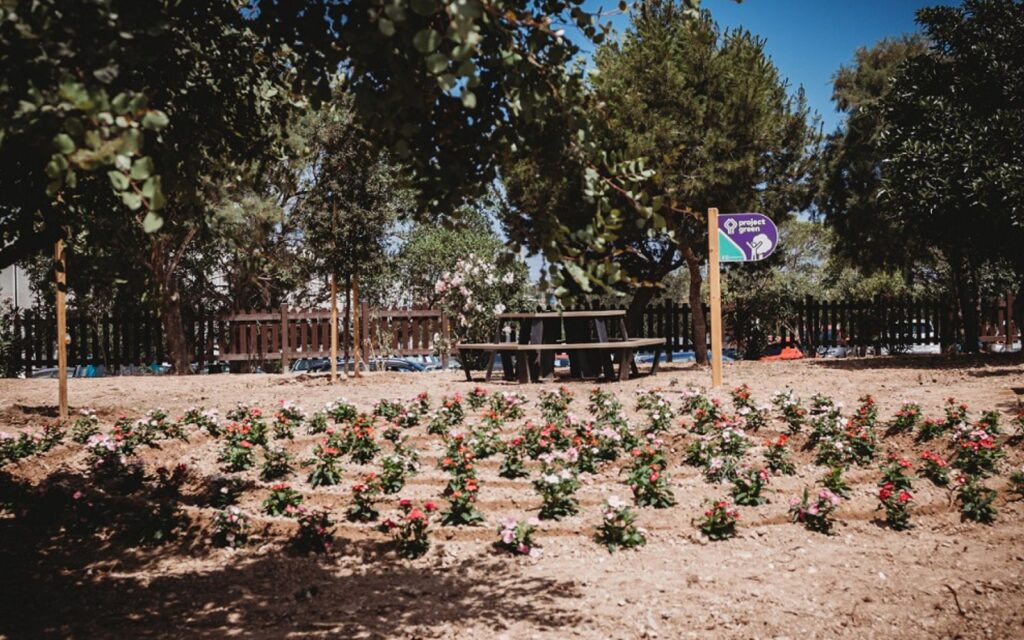
In summer, water demand from landscaping soars. Photo credit: DOI
“I wouldn’t attack the landscaper. I would incentivise him to diversify his irrigation water sources. Tell him that the water cannot come from one borehole or two or three. We need to essentially redistribute where you get your water from,” he says, adding that for landscaping purposes, water does not need to be potable and can have a higher nitrogen content.
Attard Blue Mix Concrete Supplies and Attard Concrete Systems, are within the top 20 abstractors. The companies no longer exist and were absorbed into Cementstone Manufacturing Company Limited, owned by Attard Group.
Cementstone Manufacturing Company Limited, which produces and sells building materials to the construction industry, finished the financial year with over €24 million revenue, and a post-tax profit of over €550,000, a year after turning over a million in after-tax profit.
Attard Group benefited from over 59 million litres of free groundwater during the 2020-2024 period. No data was supplied for one of the boreholes in 2024.
Two companies belonging to the Elbros Group reported the use of over 11 million litres of water from their boreholes.
Meanwhile, Ballut Blocks Ltd, which produces concrete blocks and prefabricated concrete, logged over 7 million litres during 2024. According to its website, the company took part in building the airport runway, City Gate in Valletta, Tigne’ Point’s commercial block and Smart City, among other projects.
None of the companies mentioned in this section replied to Amphora Media’s questions.
Water & Wine: From Thirst to Profit
Water suppliers, predictably, extract groundwater for their business.
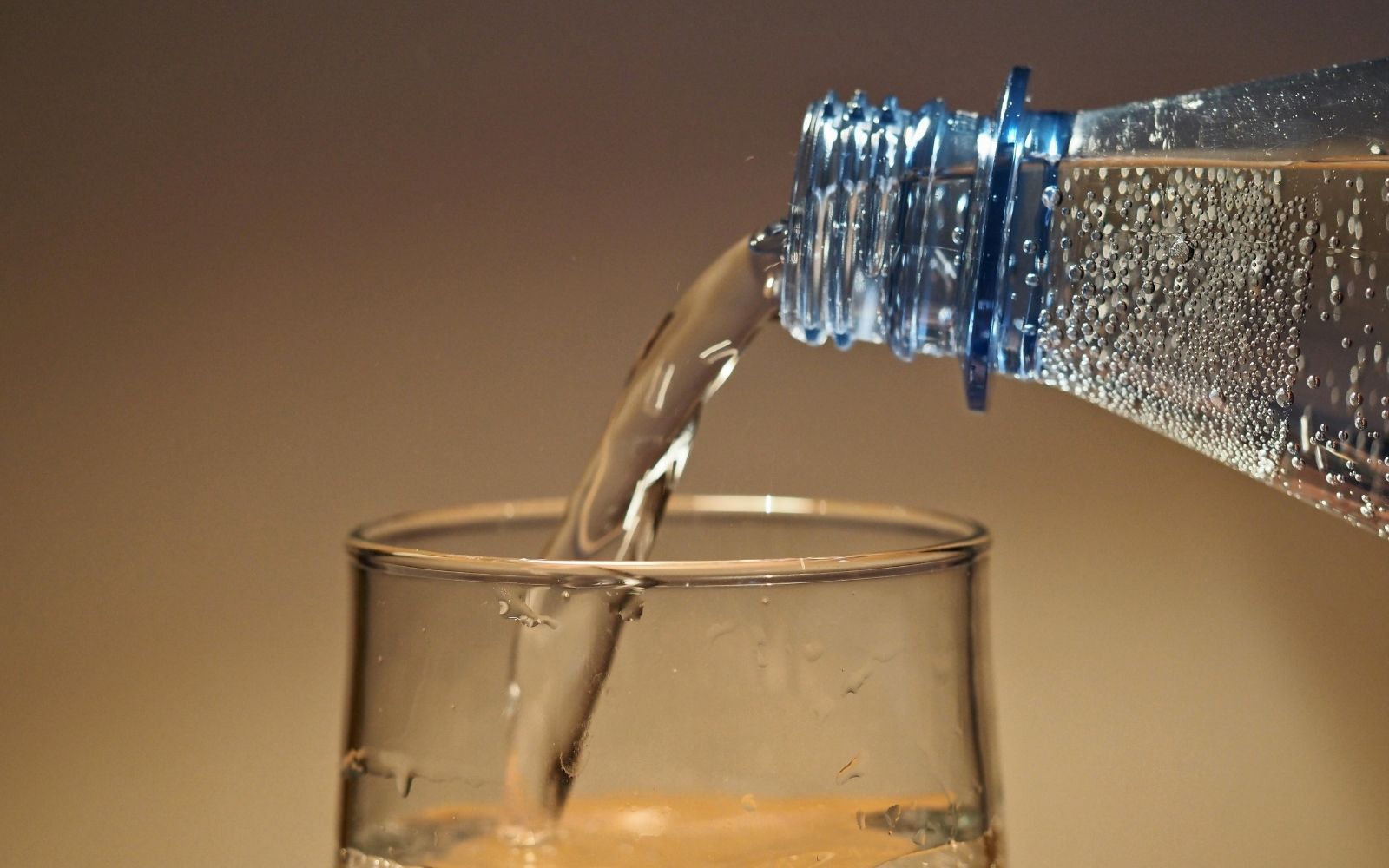
A borehole owned by Sebastian Briffa and used by water supplier Victor Busuttil, known as tal-Maniklu, came third in terms of abstraction volumes over a five-year period, with over 100 million litres.
Busuttil is a recipient of tenders and contracts, including Wasteserv, the Park Directorate, Ambjent Malta and SportMalta, to supply water. He did not reply to Amphora Media’s questions.
A borehole registered to Madalien Ltd shows the 4th-largest abstraction of groundwater with over 96.2 million litres. The borehole was still registered in the company’s name as of 2024 although the company has been struck off after a merger with Master Wine Holdings Limited back in 2016.
The latter company is the registered owner of Camilleri Wines, Caraffa Wines, Zeppi’s Liqueur, Black Eagle, Just squashes, Budvar beer, Hawaiki juice, mySmoothie and Hildon bottled water. The company does not file income statements, using a legal exemption.
The borehole attributed to Madalien is located at San Gwann industrial estate. Louie Camilleri is the registered owner of the borehole.
Branded water for PAVI supermarkets is produced on this industrial estate by Nibe Beverages Ltd, which also supplies Aquani water dispensers. PAVI has its own borehole but is not providing abstraction data to ERA. It did not reply to Amphora Media’s questions.
Nibe has received EU funding in Malta to export its product abroad. It received a €222,116 grant to produce more bottled water and another €232,276 for machinery.
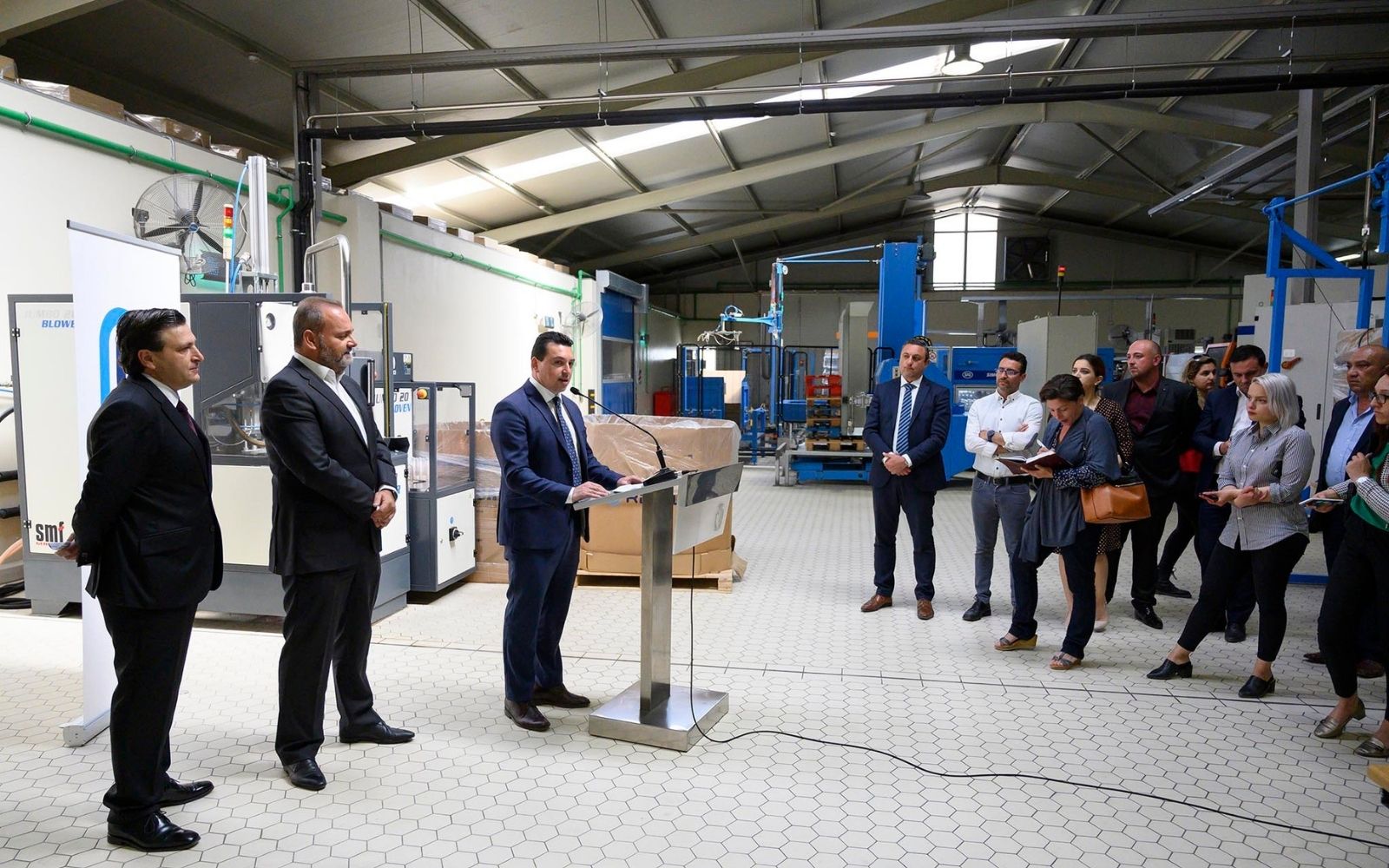
The spokesperson of CassarCamilleri Ltd, a joint venture involving Master Wine, said that the borehole use is shared between this group and Nibe Beverages, as both have initially invested in the borehole. “Our regulatory oversight has always been conducted through the Water Services Corporation (WSC) and the Health Department, who inspect the borehole and to whom we are obliged to provide readings and test results,” the spokesperson said when asked why ERA’s borehole ownership information was outdated.
With close to 78 million litres and over 48.5 million litres abstracted respectively, boreholes owned by Raymond Barbara and Alexander Vella round up the rest of the water suppliers in the top 10.
A separate A Vella Water Supplies Ltd borehole is registered on the same street as Vella’s. The company has not been filing accounts to MBR as required by law, leading MBR to issue a warning in 2020 and initiate strike-off procedures.
The company abstracted close to 3 million litres. When contacted for comment, the company’s representative suggested that Amphora Media investigates other suppliers.
In addition to Barbara, two other water suppliers, Vincent and Jonathan Desira, are registered users of Barbara’s borehole.
Cremona’s analysis of ERA’s data suggests that 11 more boreholes may be attributable to water suppliers, but their names have been redacted.
Simonds Farsons Cisk Ltd, the maker of Cisk, Kinnie and San Michel water, is shown in ERA’s data as the 12th-largest user of groundwater in 2020-2024 with close to 30 million litres from one borehole and no data from another, which the company said was not in use. Simonds Farsons Cisk plc reports exporting products to more than 15 countries.
The company says it has since invested into water reuse and switched to using the public supply of water, for which it pays. In response to Amphora Media’s questions, its representative said the information was inaccurate and “No groundwater whatsoever has been extracted by the Farsons Group from any of its three boreholes since September 2020.”
Tourism
Tourism is one of the seven priority sectors promoted by the government and the most important industry according to a survey of Maltese residents. It is also a key player in groundwater abstraction. In hotels, groundwater can be used for pools, toilets and other applications.
San Lawrenz Leisure Resort Ltd, which owns the Kempinski hotel in Gozo, is the fifth-largest user of free groundwater from its boreholes, with over 94.3 million litres in 2021-2024. Kempinski has six registered pools on its premises. It is also located next to important groundwater infrastructure.
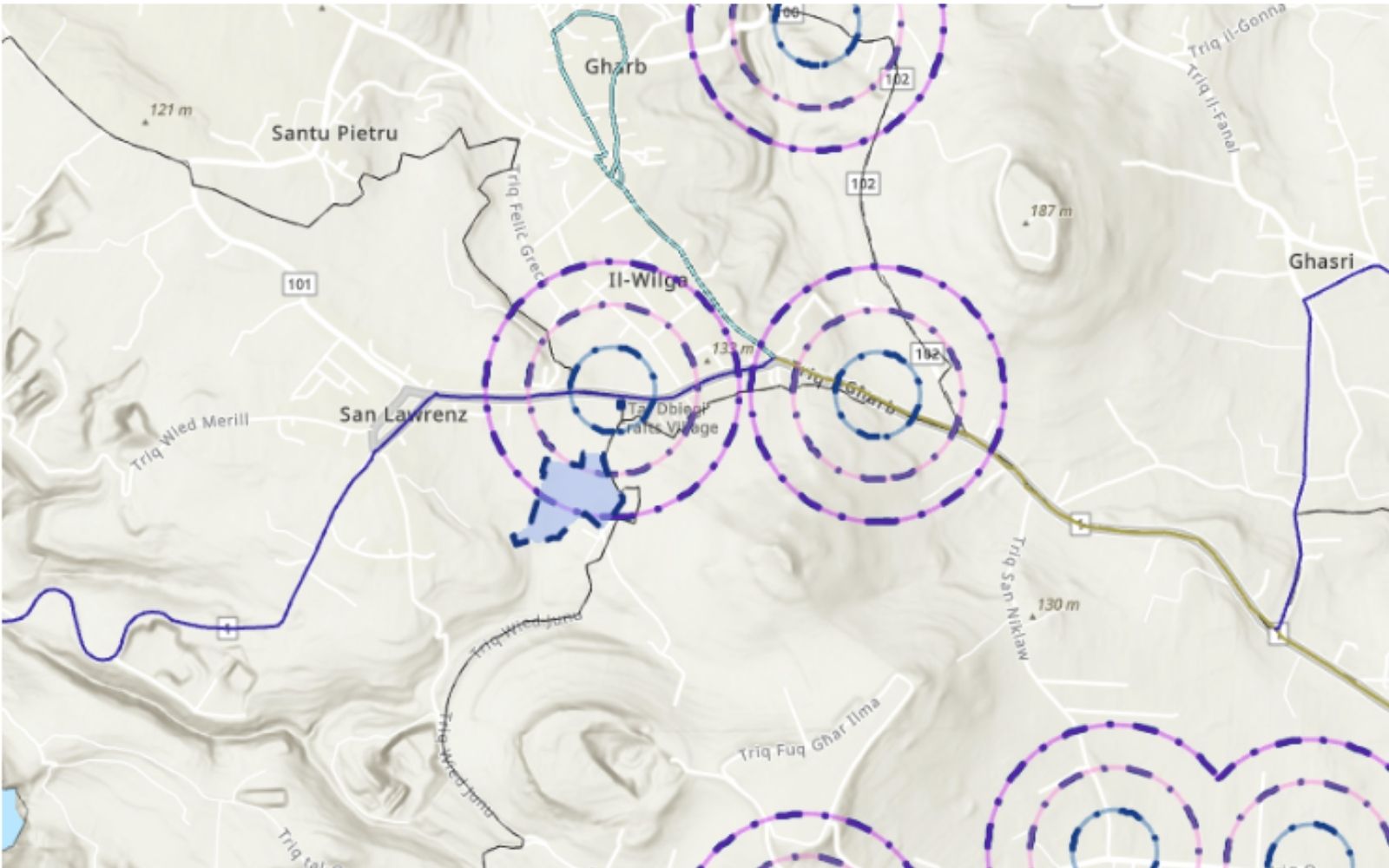
The company is registered as a small private enterprise and is exempt from submitting income statements to the Malta Business Registry. It is estimated that the company’s investment property is worth over €31.8 million.
The hotel in Malta is owned by Baldacchino Holdings Limited. The same group also owns Olive Gardens Investments Limited, a wedding reception and catering company, which owns a borehole that used nearly 3 million litres in 2020-2024.
That brings the total that Baldacchino Holdings companies extracted close to 100 million litres for the years for which they provided data.
According to official accounts, the entire group’s profit was close to €1.2 million in 2021. The group’s revenues from hospitality and leisure in 2021 were close to €5.6 million.
In Kempinski brand’s global annual report for 2024, the network wrote about the importance of water conservation and noted annual water reduction targets in its hotels, including recapture and recycling of water.
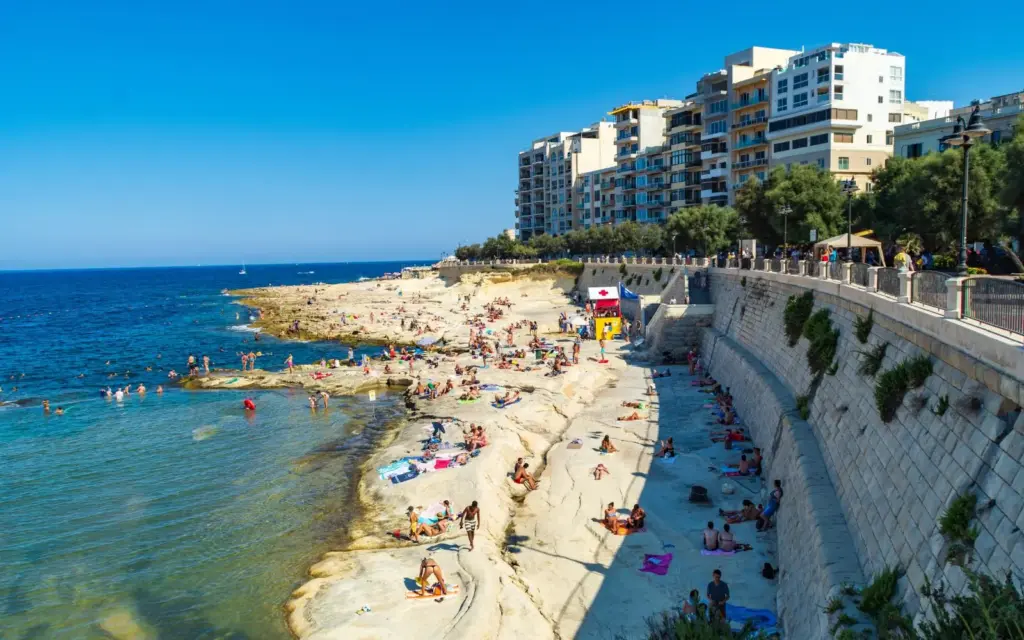
Gozo Village Holidays, a short and long-term rental company, is another of the top 20 users of groundwater.
In 2020-2021, none of the company’s three boreholes supplied abstraction data to ERA, but data for two boreholes appear from 2022, with over 10.1 million litres abstracted from 2022 to 2024.
The company runs short lets and long rentals, features a swimming pool in its marketing to tourists and is run at the Fanal complex.
Several hospitality businesses own boreholes but do not report the data to ERA. This includes:
- Corinthia Palace Hotel in Attard: Corinthia Palace Hotel Company Limited, renamed CPHCL Company Limited and owned by, among others, the Libyan Foreign Investment Company.
- FTI Hotel Management (Malta) Limited, since renamed Meeting Point Hotel Management (Malta) Limited, and owned by Joseph Beppe Bugeja, Vassallo Group and its owners. It is a tour and hotel operator running the Labranda brand. Its borehole is located at the Riviera Spa Resort in Mellieha, which hosts Carisma Spa and Wellness. It has eight registered pools, although some of them are filled with seawater.
- Bella Vista Hotel, which has registered two swimming pools and two spa pools. It is owned by BV Formosa Company Ltd.
- C H Formosa Company Limited, which runs three hotels, a holiday villa and a holiday complex. ERA did not receive data from its borehole. One of their hotels has four registered swimming pools, and the other two have one each.
- Sunflower Hotels Co Ltd, which advertises a children’s pool and a heated indoor pool on its premises. It is currently in dissolution.
- Villa Rosa Hotel in St Julian’s offers self-catering accommodation and is now part of a multi-story development. It has one registered pool. A development application to replace existing buildings with a new complex was approved in 2025.
None of the companies mentioned above in this section replied to Amphora Media’s questions.
Two other companies were linked to boreholes with missing data:
- Mavina Holiday Complex, which Business Today reported has been sold to Joseph Portelli’s company. However, at the time of writing Hal Mann Vella Group PLC was still a shareholder. The owners’ representative said no boreholes currently belong to the complex.
- The Embassy Valletta hotel is linked to a borehole for which no data is reported. The company’s representative said the hotel only uses the public water supply and does not abstract from any borehole.
The Energy and Water Agency once initiated a project to help hospitality establishments audit their water use. When asked whether such ‘soft’ action addresses the over-extraction by the tourism sector, EWA did not reply.
Sport & event establishments
Sport clubs are a key feature in the data, although they are non-profits. Marsa Sports Club used over 18 million litres of water in 2020-2024, Qormi Clay Shooting Club used over 6 million, the Malta Football Association used nearly 5.5 million, and Malta Shooting Sport Federation used over 5 million litres from their registered boreholes.
Not all of them supply the data. The Royal Malta Golf Club and Malta Racing Club, both boasting extensive landscaped area, have abstraction records missing. When asked whether their boreholes are unmetered and how much water the clubs abstract, the club’s representatives did not reply.
Properties hosting events also feature on the list provided by ERA, including:
- Sciclunas Estates, the owners of Palazzo Parisio, an events venue, which was the 21st-largest user of groundwater from boreholes.
- Mount St. Joseph Retreat, a Jesuit-owned conference venue, which used more than 10 million litres of water over five years;
- Palazzo Promontorio, a wedding venue that can fit 700 people in its outside area, belonging to the AX Group, which showed more modest consumption, with 2 million litres. “At AX Group, sustainability is woven into our ethos, driving us to minimise our environmental impact across all facets of our operations,” the owning group claims.
Palazzo Stagno in Qormi, another wedding and event venue which specifically offers pool parties, is not reporting data to ERA. Representatives of these venues did not reply to Amphora Media’s questions.
Public sector finances water supply
The public sector (national and EU authorities) is left to foot the bill for declining water quality and quantity. When overused groundwater becomes saltier, the cost of treating it increases.
“Malta continues to invest in leakage reduction, network modernisation, improved quality of desalinated water, expansion of reclaimed water networks and water demand management through a national investment programme exceeding 300 million euros,” Christopher Farrugia, Malta’s representative to the EU, stated in the EU’s Environment Council. When asked how these objectives are compatible with free and unmetered extraction for profit, Malta’s Representation to the EU and the Environment Ministry did not reply.
Malta has implemented an EU-funded project, reportedly worth €100 million, to improve the desalinated water and groundwater blend. Another €62 million project focused on upgrading reverse osmosis plants and rehabilitating boreholes. Around €3.5 million in EU funds was invested in water network improvements.
Malta has reported that EU-funded water infrastructure projects faced significant delays because contractors failed to complete work on time.
The European Commission refused Amphora Media’s request to disclose audit reports of funded projects, citing the reason that disclosure “could undermine the rights of the persons or entities concerned.”
Asked to comment on policy coherence, where the government invests in protecting water resources but also contracts users of free and loosely monitored groundwater, OPM did not reply.
Dr Mamo says that each groundwater source has its own vulnerabilities and therefore needs to be managed differently. “In Malta’s mean sea-level aquifer, and the equivalent aquifer in Gozo, our largest and most productive aquifers, it’s all about drawdown,” he says. He explains that freshwater forms a lens floating above seawater, maintained by a delicate balance between abstraction and recharge. Excessive pumping can lower groundwater levels, increasing the risk of seawater being drawn up into the freshwater lens above it. “It very much depends on where you are. The problem is uncontrolled abstraction from a single point,” he says.
“Wherever I go, no one tells me ‘I don’t care about groundwater. I want to pollute it or I want to damage it’. Absolutely not. Actually, people will say, ‘Am I pumping too much?’ The general sentiment is that groundwater sustains a lot of people.”
The European Commission has noted that “water abstractions are reported to be responsible for the failure to achieve good quantitative or ecological status” in many countries, and “Although they failed to submit their reports, this is known to be also a significant issue in Cyprus, Greece and Malta.” Yet Malta’s commercial sector, responsible for 16% of private abstractions as of 2023 and growing, continues to pump for free.
This investigation was developed with the support of Journalismfund Europe.

More to read
-
-
Environmental

Green To Grey: How Is Land Take-Up Regulated?
-
-
Environmental

Green to Grey: When Development Creeps Up On Agricultural Land
-
-
Environmental
Infrastructure, Commercial Complexes, Cemetery: Satellite Data Reveals Malta’s Largest Green-to-Grey Areas
-
-
Environmental
Green To Grey: Malta Lost Over 830,000 Square Metres Of Land To Development In Five Years
-
-
Environmental
Profit In Every Drop: The Companies Pumping Malta’s Groundwater For Free
-
-
Crime & Legal Affairs
Listen: The Trial Against Yorgen Fenech – A Podcast By Amphora Media
-
-
Politics
Open Malta: A New Political Data Transparency Platform By Amphora Media
-
-
Crime & Legal Affairs

MGA-Licensed Operator Linked To €5.86 Billion German Illegal Gambling Probe