‘Your Fingerprints Are All Over This’: Cini Turns Fenech’s Own Account Against Him
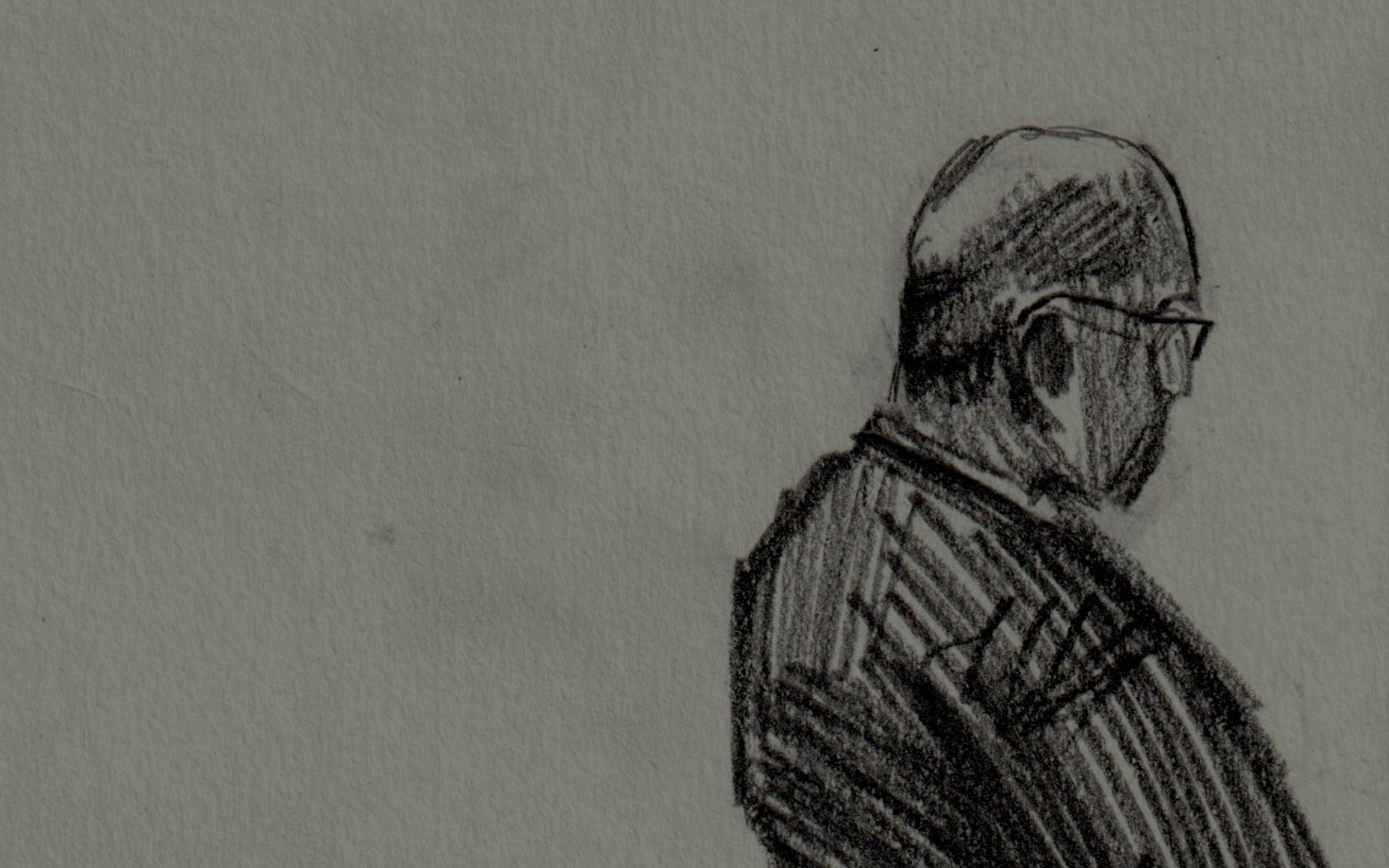
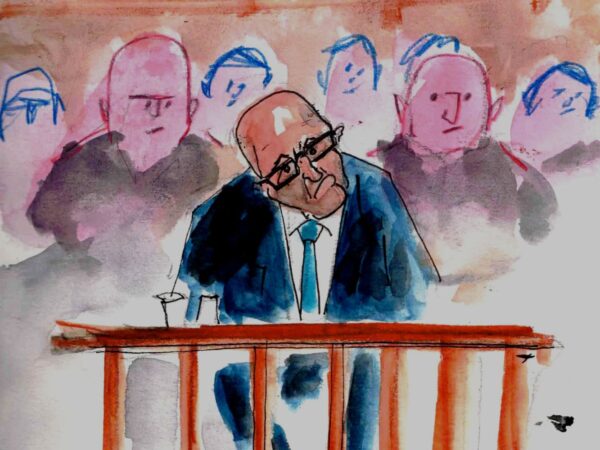
Yorgen Fenech’s cross-examination ended with the most damning indictment of his version of events, confirming that he discussed the plan, knew the price, paid out €50,000, and passed on information about the police investigation to Melvin Theuma.
Prosecutor Godwin Cini put Fenech’s whole account back to him as a single run before telling him: “Your fingerprints are all over this.”
Fenech’s answer to all of it was that he was a victim of blackmail who had no involvement in the murder and no obligation to pay for it.
He told the court he had cried, that he had continued using drugs, and that the gaps and shifts in his police statement were because he had not been “comprehensive” while still affected by them.
Cini said Fenech’s account was built backwards to fit the evidence. He put to Fenech that he had invented in his statement and had gone on inventing in the trial.
“I am here in the trial to tell the truth,” Fenech replied.
Cini’s cross-examination covered three key issues: payments, 17 Black and the recordings
Payments to Theuma
Fenech maintained he had no obligation to pay anything for the murder and no involvement in it, but paid anyway, describing the payments as blackmail.
He accepted paying €50,000 and a further €60,000 to Theuma, and insisted that Schembri sent between €75,000 and €80,000 to Fenech to cover the expenses.
Cini told him that, with his power and contacts, he had many options, and he chose the worst one: no police report, no warning to the Caruana Galizia family, no step to stop the plan. Fenech: “If I could turn back time, I’d do many things differently.”
Pressed on whether Schembri is the mastermind, Fenech said he had no doubt; Cini said that this is an assumption. Fenech admitted he could not say so “100 per cent under oath”.
17 Black
Cini focused most of the morning session on a document-led sequence of the reporting on 17 Black.
It began with Daphne’s first blog post naming the UAE company on 22nd February 2017, and a comment thread below where Daphne names Yorgen Fenech as the likely owner of the company. She also referenced the company in three other posts, the last one published on 27th February 2017.
Eight days later, Fenech changed the company’s name from 17 Black to Wings Development Limited. Fenech said this was because of adverse media reports naming the company, prompted by a call with the bank.
Fenech insisted there was no connection between 17 Black and ElectroGas, describing them as “oranges and apples,” and said he was not angry about her reporting.
He assumed Daphne discovered 17 Black because the company had paid for Schembri’s medical bills in the USA – and not because of its link to the Panama companies of Schembri and Mizzi.
Cini then referenced the wealth of evidence against 17 Black, including the FIAU report references and articles about kickbacks from the LNG tanker.
He was shown a December 2015 email from Karl Cini naming Tillgate and Hernville as Panama companies with 17 Black and Macbridge as main clients.
Fenech said he did not write it and learned of the Tillgate/Hernville ownership from the media. Cini’s point: 17 Black ended up the main target client of Schembri’s and Mizzi’s structures. Fenech: “There was no interaction.”
Two of Fenech’s own emails were put to him: one describing ElectroGas as “one massive mistake… this project killed me”, another describing 17 Black as “one huge stress, nothing wrong legally but petrified of the consequences coming from the media”.
Fenech attributed his state at the time to a broken marriage and “addiction”, and said scrutiny is normal on projects of that kind. Cini put that he was petrified of what Caruana Galizia was writing; Fenech resisted the framing and said the addiction, not the reporting, explains the language.
The recordings
Fenech said that at that point he still respected Schembri. He said it was obvious Theuma was recording him, and admitted advising Theuma to delete recordings implicating Schembri, adding that someone else advised him the same. He denied suggesting that Theuma destroy recordings so his own would go too.
Fenech said he received a USB of Theuma’s recordings in 2018 but did not listen to them, kept no copy, and gave it to Schembri. Cini said this was implausible, since on Fenech’s own account Schembri is the man who dragged him into the murder.
“I was not concerned with the recordings,” Fenech claimed. “I cried when I went home. I think after I informed Keith.”
“So, he’s implicating you – and you decide to pass on money? That you pass on information?” Cini asked. “I didn’t know how to deal with criminals,” Fenech said. “I continued using drugs.”
Fenech’s phone data from before 2019 was completely wiped. He confirmed that he never recorded messages or calls with either Schembri or Theuma – evidence which would back up his claims. Cini put it to him that their involvement was made up; Fenech denied it.
Fenech said he never named Schembri in the recordings because he was loyal, and was “a bridge” between Theuma and Schembri.
He said Schembri had told him he would send Kenneth Camilleri to shoot Theuma, but he is now convinced this was untrue because it never happened. He described phoning Theuma repeatedly that night and telling him to go on living when Theuma came down holding his son.
Fenech repeatedly explained that gaps and shifts in his police statement were because he “wasn’t comprehensive” because he was still affected by drugs.
Cini put to him directly that his account had been shaped to fit the evidence and that he invented in the statement and continued inventing in the trial. Fenech: “I am here in the trial to tell the truth.”
In a series of damning replies. Fenech confirmed that he did pass on money to Theuma but insisted that it was for drugs.
“You’re being surgical on this; you’re not correct,” he said.
Cini closed the day by putting the whole of Fenech’s account back to him as a single sequence.
He returned first to October 2018, when Theuma came to Fenech’s office with a USB of recordings. Fenech said the recordings themselves had not troubled him. What troubled him, he said, was seeing his own name written on a piece of paper, because he realised then that Theuma might try to implicate him.
Cini asked what he had done about it. Fenech said he cried. Asked what he did after that, he said he had a long conversation with Theuma, telling him he had been part of the betrayal.
Pressed on what steps he took after concluding that a man was preparing to implicate him in the murder of a journalist, Fenech said he did nothing beyond speaking to Schembri and to Theuma. “I didn’t know how to deal with criminals,” he told the court, adding that he carried on burying his head in drugs.
Cini put it to him that a man in his position, then chief executive of the Tumas Group, had made no recording of those conversations, kept no message, taken no screenshot. Fenech said he did not think so.
The prosecutor then set out the sequence he says follows from Fenech’s own testimony: that on Fenech’s version, he is the person who spoke of the plan, the person who knew the price, the person who put the questions to Schembri, the person who put out €50,000, the person who passed on information about the police investigation, and, as Cini put it, the person through whom €450,000 reached Theuma.
“Who are you trying to fool?” Cini asked. “Your fingerprints are all over this.”
More to read
-
-
Environmental

Green To Grey: How Is Land Take-Up Regulated?
-
-
Environmental

Green to Grey: When Development Creeps Up On Agricultural Land
-
-
Environmental
Infrastructure, Commercial Complexes, Cemetery: Satellite Data Reveals Malta’s Largest Green-to-Grey Areas
-
-
Environmental
Green To Grey: Malta Lost Over 830,000 Square Metres Of Land To Development In Five Years
-
-
Environmental
Profit In Every Drop: The Companies Pumping Malta’s Groundwater For Free
-
-
Crime & Legal Affairs
Listen: The Trial Against Yorgen Fenech – A Podcast By Amphora Media
-
-
Politics
Open Malta: A New Political Data Transparency Platform By Amphora Media
-
-
Crime & Legal Affairs

MGA-Licensed Operator Linked To €5.86 Billion German Illegal Gambling Probe