The Issues That Impacted Malta’s Election
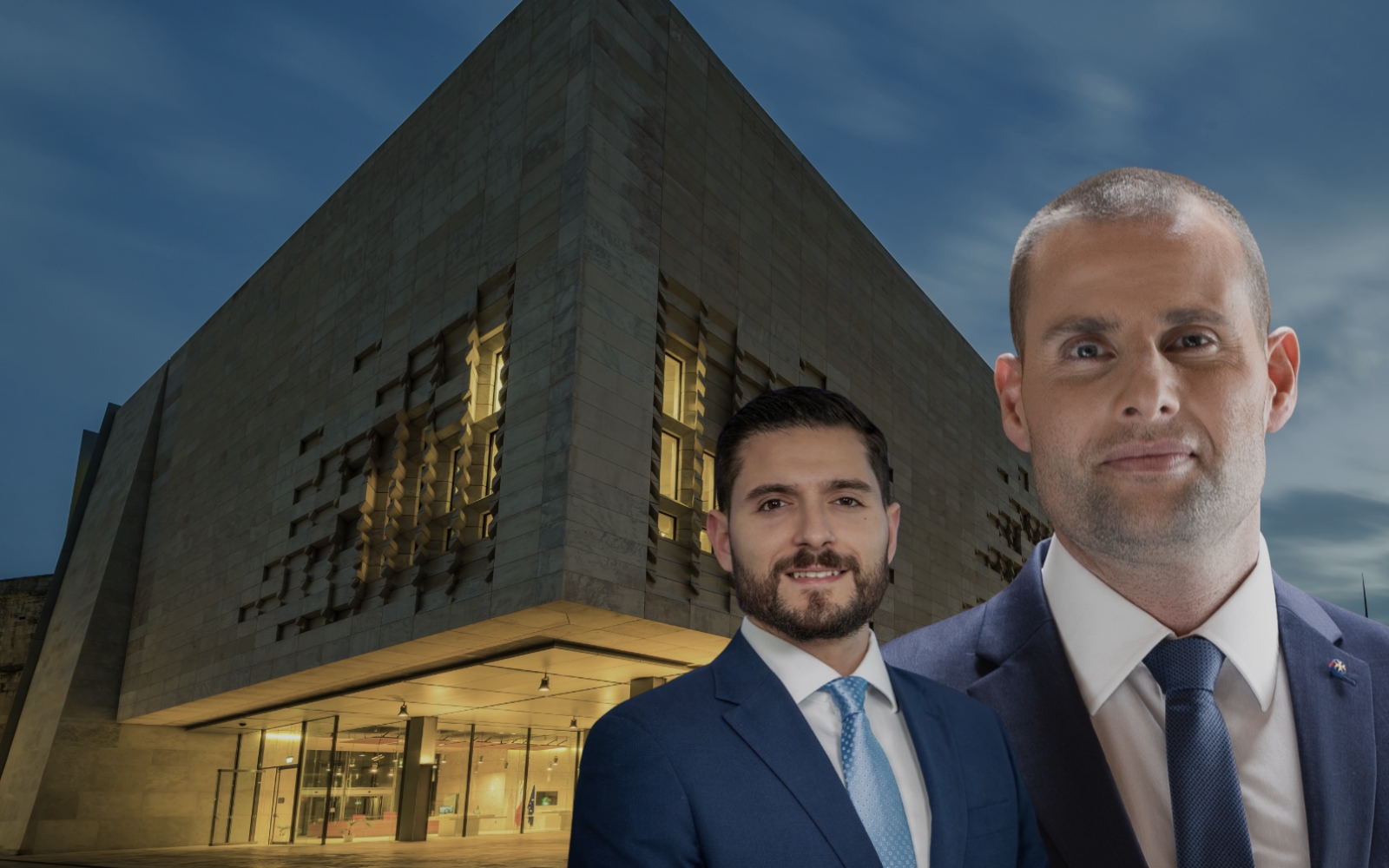
Malta’s general election is done and dusted: the Labour Party will lead the next government for the coming legislature, albeit with Alex Borg bringing down the PN’s gap to an estimated 18,000 votes. What follows now is the slower business of power, distributing portfolios, passing laws, setting the budget and shaping policy.
But what shaped the vote itself? Which promises landed? And, with the campaigning over, which of them can realistically be delivered? This is a look back at the issues that drove the campaign and at the ones that barely featured.
Stability in the Economy & Energy
Throughout the campaign, Prime Minister Robert Abela cast himself and his government as the experienced, trusted hands needed to steer the country through what he repeatedly called “global crises”; the reason, he said, that he had called a snap election in the first place.
He worked to draw a sharp line between his own record and the relative inexperience of Alex Borg, who is still only 30 and less than a year into the Nationalist Party leadership.
Abela made repeated digs against Borg’s economic credentials in each national debate. This line was echoed among key Labour Party figures, including Finance Minister Clyde Caruana.
However, Borg’s performance, given the relative proximity to his ascending to the top of the PN, may concern the PL moving forward.
Malta has experienced strong economic growth. The European Commission’s spring forecast projects Malta’s economy to grow by 3.7% this year, the highest rate in the EU.
“The expansion is driven by robust domestic consumption and a thriving tourism sector, and is projected to moderate to 3.7% in 2026 and 3.6% in 2027 as external economic conditions become less favourable,” it reads.
Maltese households have been relatively shielded from the price shocks felt elsewhere. The prices of water, electricity, gas and fuel have held steady thanks to government intervention.
Energy Support Measures – subsidies designed to shield households and businesses from rising global energy prices – are projected at €172 million for 2026, bringing the running total to €968 million by year’s end.
Abela was unmovable on keeping fuel subsidies, and pressed the claim that Borg and a Nationalist government would scrap them.
Yet the cost of living remains a real anxiety, and not every voter feels the much-cited economic boom is reaching them. At the end of March 2026, central government debt stood at €11.4 billion — €621.8 million higher than a year earlier.
Labour’s headline pledge was a yearly “super bonus” for eligible workers, paid directly by the government. Beyond that, its offer leaned on expansion rather than reinvention: widening the first-time buyers’ scheme, lifting pensions and improving working conditions.
Borg and the PN pitched a different emphasis. Their economic case opened with tax cuts for SMEs and start-ups and the removal of inheritance tax, then widened to include an industrial strategy.
Borg also promised to cut public debt, subsidise long-term rentals for young couples and low-income earners, and match pensions to the cost of living.
The marquee idea, though, was an offshore fuel hub, and it became a campaign flashpoint. Abela attacked it repeatedly, at one point claiming, infamously, that it had first been pitched to him by a “contrabandist.”
On energy, the PN floated “aggressive” solar and wind subsidies and pilot projects for Gozo.
Traffic
Traffic consistently ranks among voters’ top concerns, and it is costly to leave it as is.
According to Malta’s National Transport Master Plan, congestion costs the economy €770 million in 2025 and is projected to reach €917 million a year by 2030. That figure excludes environmental costs, CO₂ and other air pollutants, expected to add a further €195.4 million a year
In April 2026, days before the election was called, the government and Transport Minister Chris Bonett announced a revised €2.8 billion ‘La Valette’ light rail line, and Labour campaigned on it.
Borg highlighted transport issues and championed his party’s mass transportation system, saying he was ready to resign if it failed. He regularly criticised the government for proposing a mass transport system but failing to deliver beyond the study stage.
Both parties avoid discouraging private car use. The PL has said it will keep subsidising fossil fuels, while the PN has hinted at reducing car dependence through changes to urban design and infrastructure to support alternatives.
Tourism, Population & Migration
This campaign was set against the backdrop of growing concerns about migration, overtourism, population, and a collapsing birth rate.
Malta’s tourism numbers have more than doubled in a decade. The population has ballooned past 575,000. Absorbing that surge has eroded housing affordability, intensified development, stretched local capacity to manage waste and noise, and fed rising resident dissatisfaction.
Yet despite concerns among residents, the issues did not form part of key campaign issues. Omar Rababah’s candidacy and questions about the development of a mosque drove the discussion.
The proposals on the table mostly addressed how to redistribute flows and revenue rather than curb low-cost tourism itself.
The Labour Party focused on giving councils direct revenue from outdoor dining permits and tourists’ eco-taxes, in addition to the incumbent administration’s reforms targeting short lets and hotels.
Both present incentives for family-friendly policies, but on migration, both focused on ramping up existing policies.
The PN, on its part, presented a joint task force between the police and army on irregular migration and drug crimes, which was criticised by the PL.
The Environment
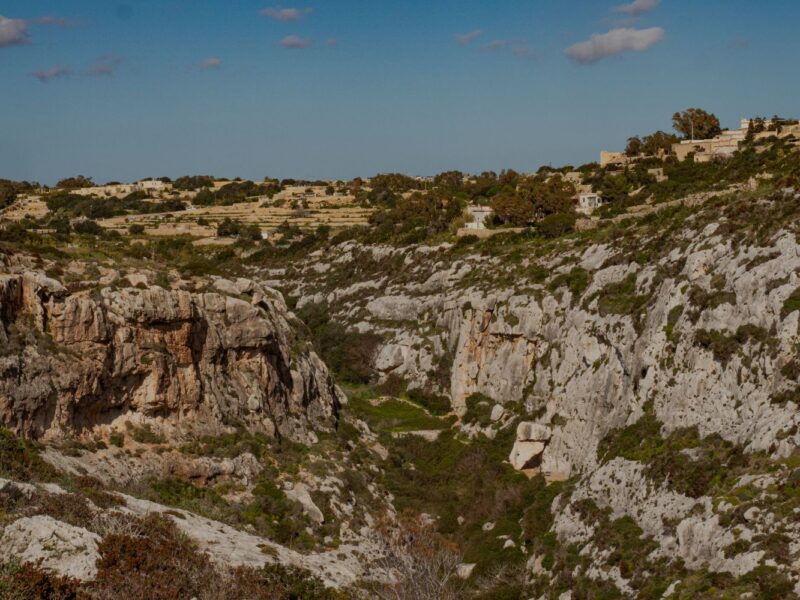
Environment and climate are regularly among the top 5 concerns for Maltese people and the 4th-highest concern for young people. Despite its booming economy, Malta lags behind most EU countries in key sustainable development metrics.
It was a focus of the election, but more on economic value and energy dependence.
The PL said it would reach a 25% renewable energy by 2030. Fourteen EU countries had already surpassed this target in 2024. It said it would also expand the shore-to-ship system, which, according to the latest data used by vessels 9% of the time.
It has pledged to continue the practice of hunting and reduce enforcement when offenders are caught committing environmental crime. The FKNK openly endorsed Gozo and Planning Minister Clint Camilleri, who is also responsible for the sector, during the election.
Subsidising fossil fuels has also received criticism.
The PN focused on investing in the green tech industry. But this push towards implementing legal safeguards against development on agricultural land, and an overhaul of planning policies and protection of ODZ.
It would also purchase private land in urban cores to create parks and gardens, introduce “aggressive” subsidies for solar and wind technology, and pilot projects for Gozo.
Like the PL, it said it would retain hunting and trapping despite court rulings.
Issues noticeably absent from the public debate:
Crime, Justice & Corruption
Malta is officially becoming safer. However, there is more domestic violence, drug-related, and environmental crime. Justice remains slow, and Malta continues to perform poorly on the EU’s justice scoreboard.
Corruption remains a significant issue. The Vitals case is ongoing, and several cabinet members resigned during the previous election amid major allegations. Roderick Galdes was even blocked from running.
However, Borg offered barely a whimper on the subject, choosing to focus on policy rather than on good governance issues. The PN had previously been accused of doing too little. It remains to be seen whether the party will ever commit to presenting major visions on both.
Equality, Education & Health
Malta’s changing economy and settlement patterns have affected different groups of the population unevenly. An equality and inclusion policy would help address gaps. However, it was among the weakest areas of the campaign.
Rarely a subject of political controversy, the education sector has seen several promises by both parliamentary parties. This is amid worrying trends: stagnating A-level attainment, disparities between state, church and independent schools, and gaps in women’s labour market attainment despite higher education.
On health, the PN made wide-ranging proposals, but as the campaign wore on, they seemed to be pushed further and further to the back. The Vitals case was referenced, but more for lost time and resources than for criminality.
More to read
-
-
Environmental

Green To Grey: How Is Land Take-Up Regulated?
-
-
Environmental

Green to Grey: When Development Creeps Up On Agricultural Land
-
-
Environmental
Infrastructure, Commercial Complexes, Cemetery: Satellite Data Reveals Malta’s Largest Green-to-Grey Areas
-
-
Environmental
Green To Grey: Malta Lost Over 830,000 Square Metres Of Land To Development In Five Years
-
-
Environmental
Profit In Every Drop: The Companies Pumping Malta’s Groundwater For Free
-
-
Crime & Legal Affairs
Listen: The Trial Against Yorgen Fenech – A Podcast By Amphora Media
-
-
Politics
Open Malta: A New Political Data Transparency Platform By Amphora Media
-
-
Crime & Legal Affairs

MGA-Licensed Operator Linked To €5.86 Billion German Illegal Gambling Probe